Mix It Up

TANK MIXING
One effective way to delay or manage weed resistance is to use herbicide tank mixes with different modes
of action.
Weeds are composed of various biotypes that differ in their resistance to certain herbicide Groups. If the same herbicide Groups are used repeatedly on the same field every year, then the biotypes which are resistant will remain in the field. Tank mixing multiple effective modes of action to control the same weed biotype is essential in combatting resistance.
Research has shown that tank mixes are more effective at delaying resistance than herbicide rotations.
A 4-year study* comparing resistant weed populations when rotating herbicides versus tank mixing herbicides, showed that applying tank-mixes every year was as effective as never having applied a herbicide in delaying resistance. By contrast, only using the herbicide once in those four years significantly increased the resistant seed bank. The benefits of a tank mix couldn’t be clearer
*Source: Beckie and Reboud, 2009. Weed Technology, 23: 363-370
Diversify Your Crop Rotation
Annual crop rotation adds diversity, which increases the sustainability of the cropping system over time. It provides the platform for long-term crop management solutions meaning a well-planned crop rotation can:
Reduce the impact of weeds, insects, and diseases, leading to higher yields
Use more competitive crops to control weeds in some years
Provide diversified marketing options
Lower input costs in some rotational crops
Help manage crop residue
Diversify your herbicide program
Tackle Glyphosate Resistance
On the surface, trait rotation may seem like an effective way to manage glyphosate resistance. However, relying on trait and herbicide rotation alone is an ineffective approach to long term sustainable glyphosate use. Rather, use herbicide mixtures or herbicide layering every year within a diverse crop rotation to effectively manage weeds. Including wheat, barley, or pulses in a rotation provides more herbicide options and can decrease herbicide resistance risk.
Crop Management
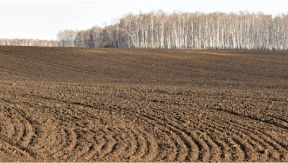
- If tillage is an option, the mechanical weed control of this process adds another tool to your toolbox If tillage is not an option, take advantage of a pre-seed application.
- It is your easiest opportunity to include a tank mix in your herbicide program and control weeds from the start.
- Match the right herbicide based on your most difficult weeds
- Apply multiple herbicide Groups that are effective on target weeds
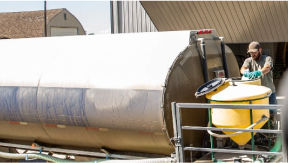
- Seed competitive varieties and increase seeding rates to enhance a crop’s ability to compete more effectively with weeds
- Vary seeding dates and decrease row spacing

- Use full-labeled rates, including the correct nozzle spacing, droplet size, and water volumes
- Avoid spraying at excessive speeds and apply during the best weather conditions
- Make sure your equipment is properly calibrated
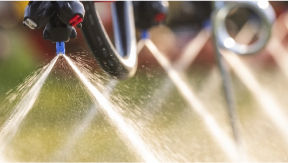
- Rotate modes of action to manage herbicide resistance
- Weeds that possess the inherent ability to survive an application of certain herbicides eventually multiply and spread

- Control weeds before they produce seed to reduce the spread of resistant plants
- Clean equipment to prevent the spread of herbicide resistant weeds and seeds from field to field

Remember W.A.M.L.E.G.S. for the Proper Tank-Mix Order
W Wettable powders, flowable products
A Agitate
M Microcapsule suspension
L Liquids and solubles
E Emulsifiable concentrates
G High-load glyphosates
S Surfactant
Similar to W.A.L.E.S., W.A.M.L.E.G.S. describes the order in which permissible tank-mix partners are added to the sprayer tank. The order is important to reduce the likelihood of chemical incompatibility.
Tips for Tank-Mixing
Follow these best practices to ensure proper tank mixing and the reduced possibility of product incompatibility. There are two types of incompatibility problems – physical and chemical.
Permissible tank mixes with physical incompatibility problems may separate into layers (that is, oil and water), and solids may settle faster than normal. In severe cases, physical incompatibility may cause the solution to gel or cause solids to clump. When this happens, tanks will have to be drained and flushed and all filters, screens and nozzles removed and cleaned.
- Dry products fail to disperse or suspend properly in the solution. When this happens, sediment can form a cake-like layer that accumulates on the bottom of the tank or form particles that can clog screens and filters.
- Liquid solutions can curdle and thicken into a paste or gel, making it difficult to clean the tank
- Undissolved materials can clog screens and nozzles
- Oil residue coatings or films can collect on tank walls and rubber hoses
- Active ingredients separate into distinct layers in the spray tank
- Excess foaming can arise from trapped air in the tank mixture
Chemical incompatibility can negatively affect spray quality, product uptake and plant surface retention of the application. The effect of a chemically incompatible tank mixture may not always be obvious. Visible crop injury (phytotoxicity) may occur a few hours to several days following an application. Sometimes, reduced efficacy is the only observable effect of a chemically incompatible solution. Solving the problem may require additional applications that can decrease yield, harm crop quality, or both.
More Mix It Up Resources
For resources and more helpful tips on how to effectively manage and delay resistance, check out our Mix It Up collection.